Voices of Photography 攝影之聲
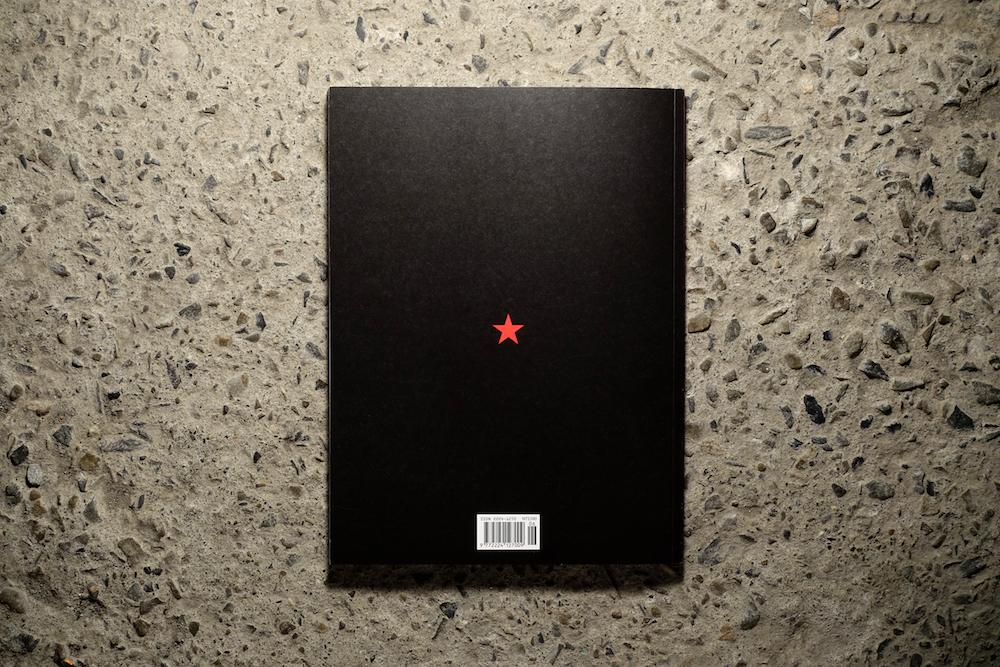
Issue 15 : 影像的左邊
The Left Side of Images
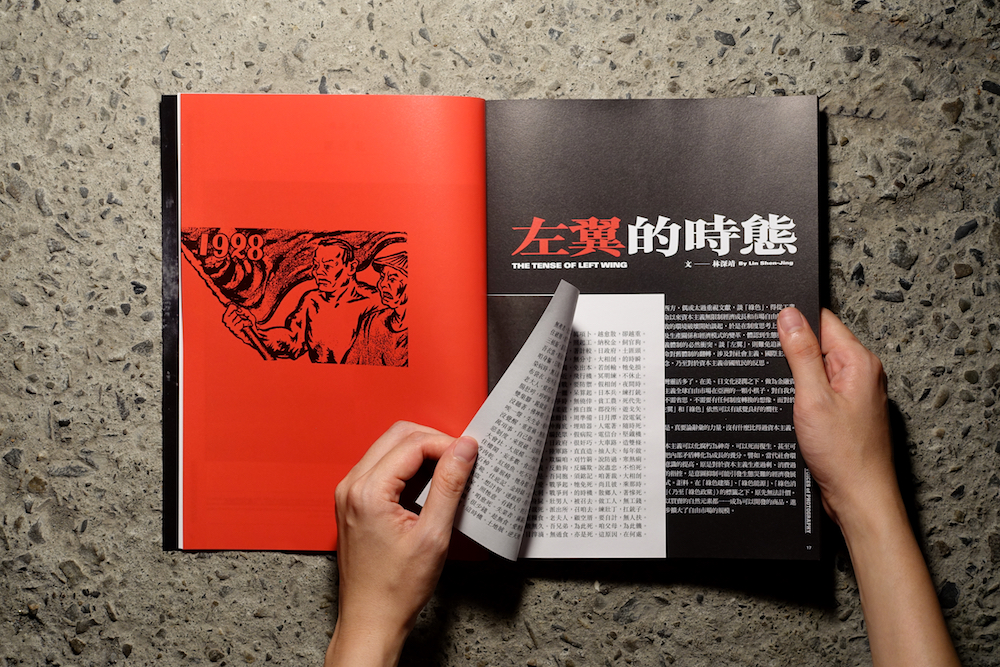
攝影,做為一種運動方法,本期我們關注一個批判視野——左翼——
影像有「左」、「右」之分嗎?這是我們提出的第一個問題。
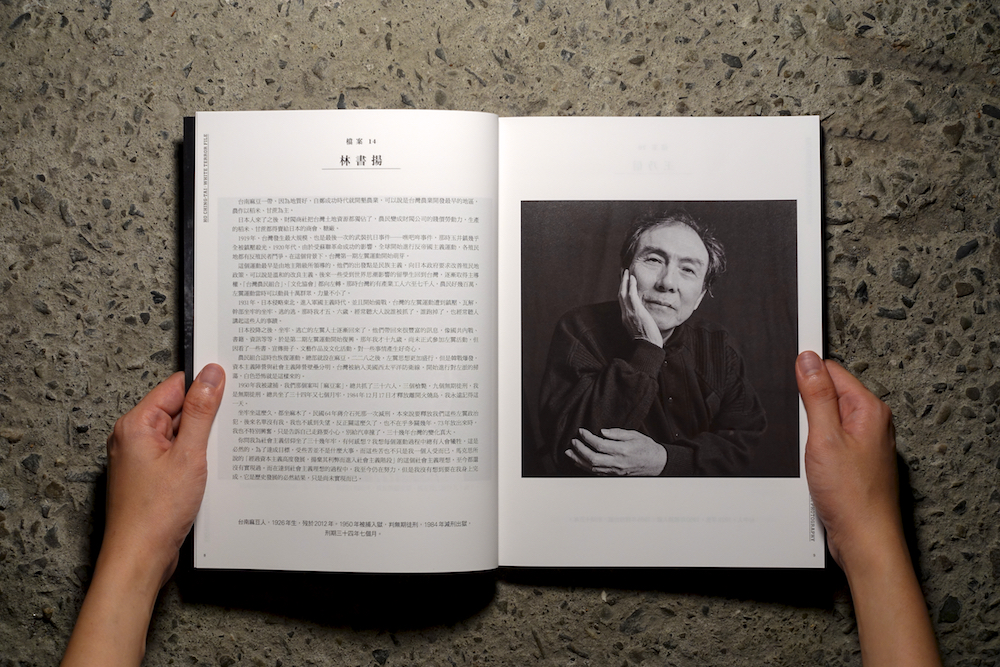
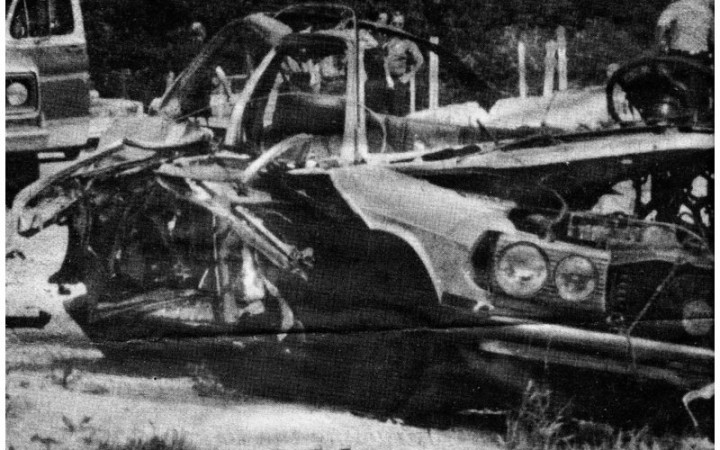
在這期的《攝影之聲》中,何經泰的《白色檔案》召喚台灣五○
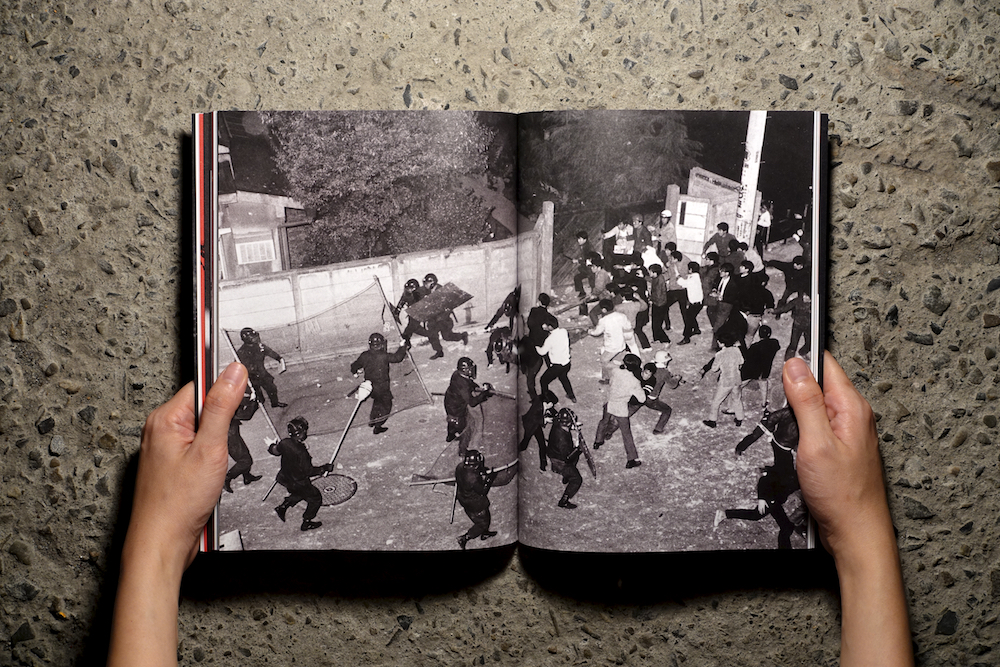
此外,五月我們也在東京策劃了一次難得的對談,邀請到在1968
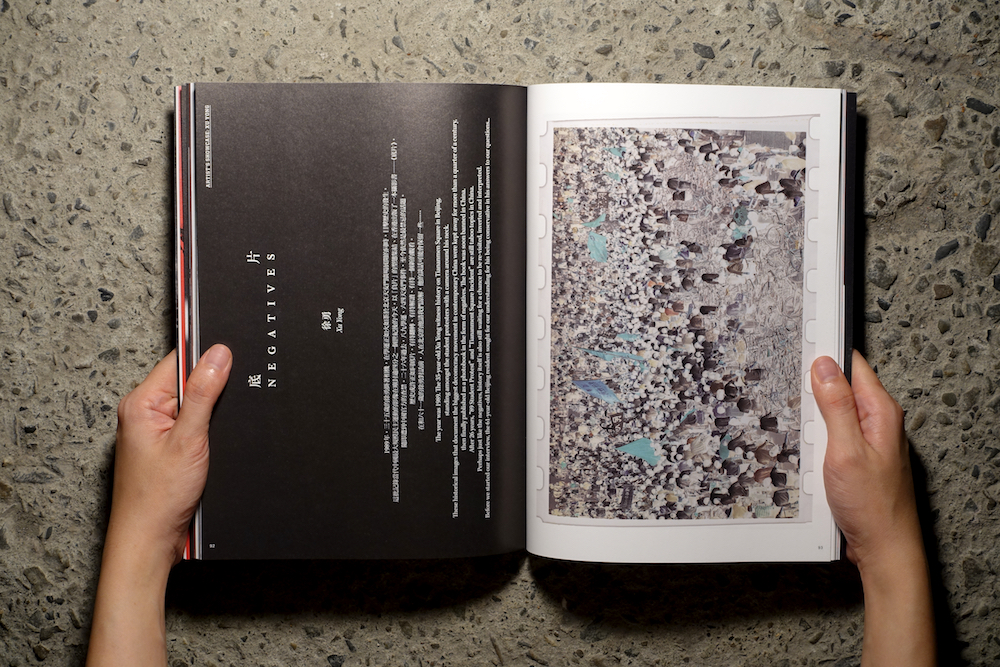
在Artist’s Showcase單元,我們則特別專訪中國攝影家徐勇,刊載了他
謝謝正在閱讀的你又與我們一起迎接新的一期,這些日子以來我們透

In this issue of VOP, we explore the idea of photography as a channel of movement, focusing on the critical analysis of a particular point-of-view — the left wing — and its actualization and importance in the history of images.
The first question we raised is: are there “Leftist” and “Rightist” images? How can Leftist images be amongst the waves of global capitalism, which people center their opinions and survival on? If there are “Leftist” and “Rightist” images, what are Leftist images then? How are Leftist images established? As we examine this issue, many questions remain to be answered. As the world tilts to the Right, we question photography’s ability to revolt and its political impact. Through our articles in this issue, we seek for that elusive spirit that might still reside in some long forgotten corner, and uncover some traces left behind in our history that might give us a hint of the answers to our questions.
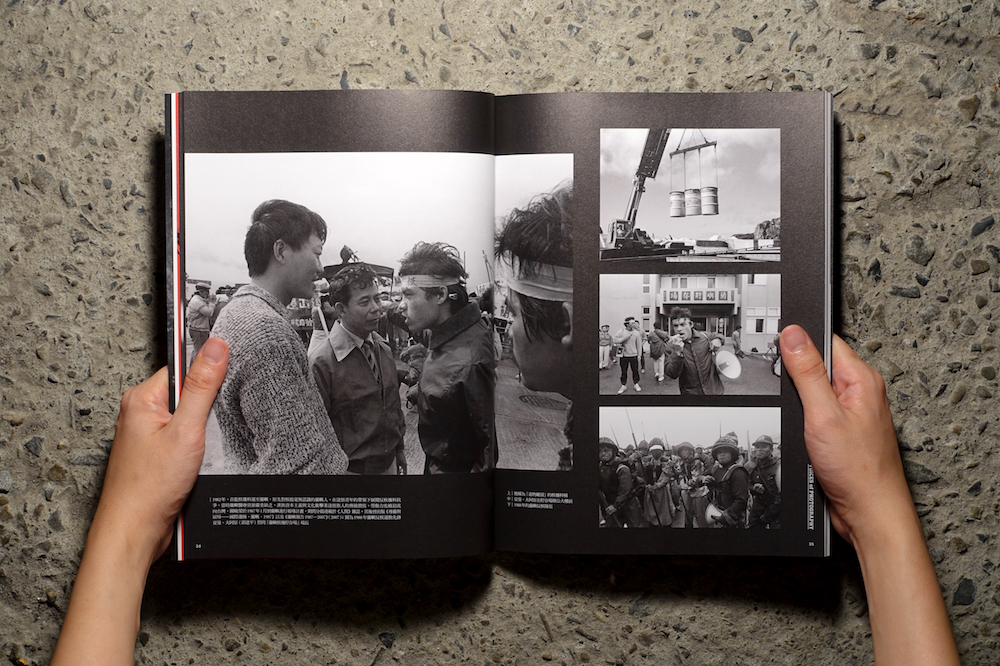
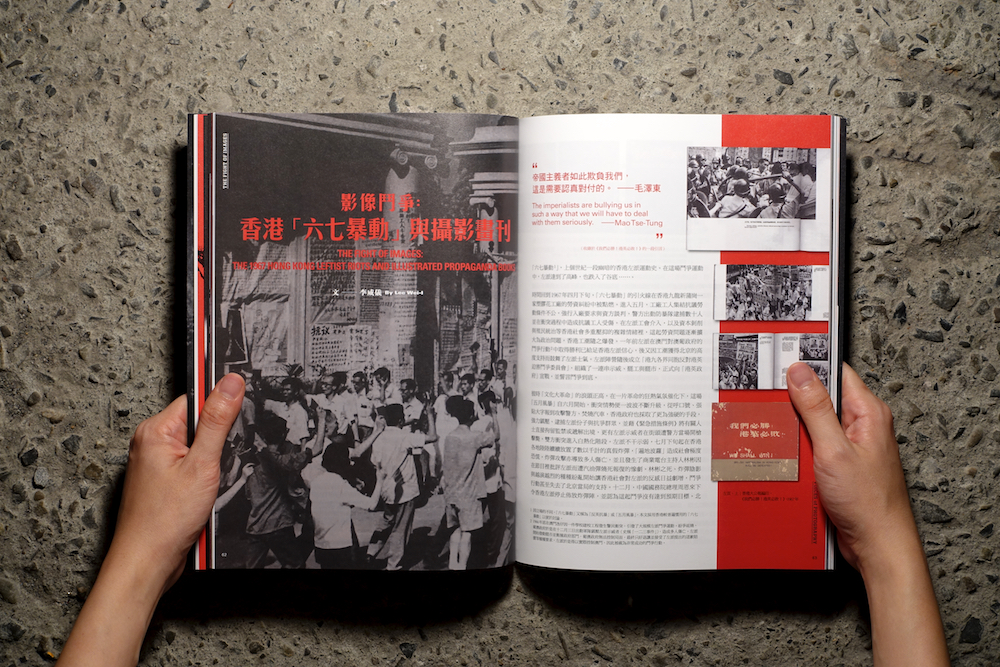
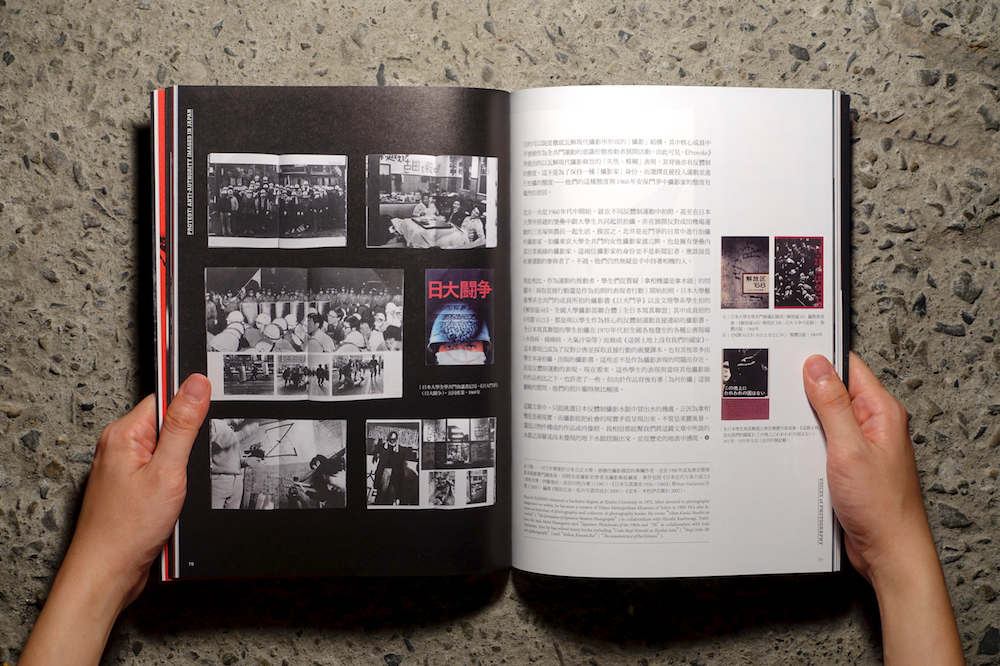
In this issue, Ho Ching-Tai’s White Terror Files calls out to the souls locked up during the period of martial law (also known as the White Terror period) and traces back to a time of darkness in the history of Taiwan; Lin Shen-Chin looks back on the ups and downs of the Left Wing movement in Taiwan, and the current developments of the Left Wing movement on the international stage; Chang Shih-Lun examines the realist photography movement in the 1980s, brought about by the Ren Jian magazine, and how the humanist compassion of the Left influenced Taiwanese documentary photography, and changes to the photography landscape in the post-Ren Jian era; Guan Xiao-Rong takes a look at what Left and Right mean in the context of photography, based on his own experiences in the photography field; Kuo Li-Hsin explores the Left Wing issues in Taiwan documentaries, and interviews Beijing Photography Institute’s Professor Zhang Xian-Min, examining modern Leftist documentaries in China’s context. Gu Zheng uncovers the production and ideology behind the Leftist images in China’s Cultural Revolution era, and gives an in-depth critique and analysis of the extreme Leftist visual propaganda during that period of time. Lee Wei-I seeks out a series of illustrated propaganda books published by the Left during the Hong Kong 1967 Leftist Riots and gives us a glimpse into one of the most turbulent periods of time in Hong Kong’s Leftist history. Kaneko Ryuichi offers some insights on Japan’s photographic resistance through a closer look at the new Leftist “Anti-Establishment” Movement of the 1960s. In this issue’s SHOUT, we recreate a proletariat propaganda publication Three Word Book by the Taiwan MOPR that was banned by the Japanese colonial government. A look at the mark left behind by the the Taiwan Communists.
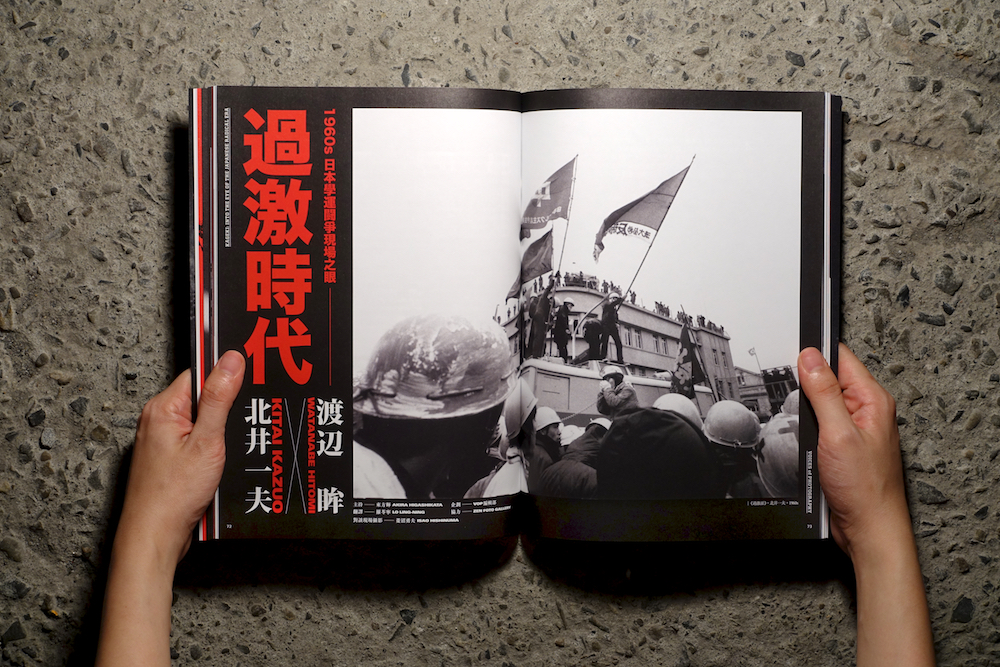
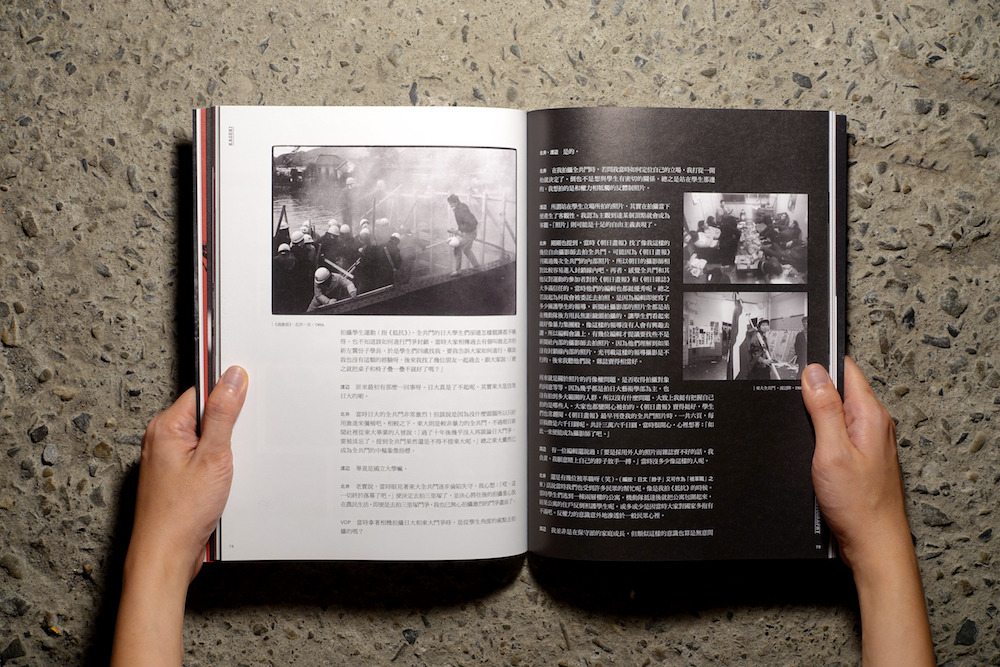
In addition, we were very fortunate to have the rare opportunity to speak with the photographers of the 1968 Tokyo University Zenkyoto Protests, Kitai Kazuo and Watanabe Hitomi, who documented one of the most iconic student protests in Japan. We talked to them about their experiences and accounts of that turbulent era 50 years ago. This interview marked the first time that the two of them have shared their experiences as there were very few photographers who were allowed into the student body to document the movement.
This issue of Artist’s Showcase features a special interview with Chinese photographer Xu Yong, along with selections from his recently published works Negatives. After shooting the biggest democratic movement in the history of contemporary China, Beijing’s 1989 Tiananmen Square protests, Xu Yong has finally published these images this year in the form of negatives, where the passion on the Square is frozen in time. Even after 26 years, “June 4th“ is still a taboo in China. In this series of negatives, we search frame by frame for the positive images and the meaning of photography.
Thank you once again for being with us this issue, as you have in our past issues. We hope you will continue to join us as we journey on to ponder photography’s essence, and its historical and cultural relationship and impact. This is a new train of thought in photography literature. Although independent publishing is a difficult path, we hope that, with your support, we will be able to continue this for a long time. From the bottom of our hearts, thank you for supporting this magazine.





/english-betterindia/media/post_attachments/uploads/2023/03/farming-1679903068.jpg)





.jpg)